Get Your Prepaid eSIM Ready for Travel in Minutes
Tired of hunting for physical SIM cards or paying surprise roaming fees when you travel? A prepaid eSIM is a digital SIM profile you buy and activate online before your trip, giving you instant local data without swapping out your home SIM. It connects you to a network remotely by scanning a QR code or entering an activation code, so you’re online as soon as you land. Your phone becomes your passport to hassle-free connectivity, letting you choose a data plan that fits your exact needs and stay in touch without the stress of unexpected charges.
Understanding the Digital SIM Without a Contract

A prepaid eSIM without a contract fundamentally shifts control to the user by eliminating physical card swaps and long-term commitments. You activate a digital profile directly on your device, funding it with credit before using data. This approach requires understanding that your service is tied entirely to balance; once credit depletes, access stops until you top up, offering absolute budget certainty. The practical key is choosing a provider that allows instant plan switching within their app, so you can move between data-only and voice plans without penalty. Verify that your device supports eSIM profiles before purchase, and always keep a backup QR code or activation link in a secure digital wallet to avoid lockout if you factory reset your phone. This model gives you granular, on-demand connectivity without billing surprises.
How Pay-As-You-Go eSIMs Differ from Traditional Plans
Pay-as-you-go eSIMs eliminate rigid monthly cycles, letting you buy data only when needed and activate instantly from an app—no credit checks or physical SIM card hunting. Traditional plans lock you into a contract with recurring fees, often penalizing early cancellation. With prepaid eSIMs, you can top up with specific data bundles or daily passes that expire per your chosen timeframe, not a billing cycle. This offers true control over spending, as you simply refuel your account when empty. Unlike traditional postpaid, there’s no risk of surprise overage charges because service stops once you run out of credit.Pay-as-you-go eSIMs grant complete flexibility by allowing you to switch carriers or plans as easily as changing a phone setting, without termination fees or long-term commitments.
Pay-as-you-go eSIMs differ from traditional plans by offering instant activation, no contracts, no credit checks, and spending control through flexible top-ups, while traditional plans require long-term commitments and fixed monthly billing.
The Technology Behind Virtual SIM Cards
A virtual SIM card, in the context of a prepaid eSIM, relies on a remote SIM provisioning platform. Instead of a physical chip, your device contains an embedded SIM (eSIM) chip that stores a blank profile. To activate prepaid service, you download a secure QR code or a digital profile file. This file contains a unique International Mobile Subscriber Identity (IMSI) and authentication keys, which are encrypted and written to the eSIM chip via Over-The-Air (OTA) technology. The device’s modem then uses this digital credential to authenticate with the carrier’s network. The process follows a clear sequence:
- You purchase a prepaid eSIM plan and receive a QR code or activation file.
- Your device scans this code, triggering the OTA download of the encrypted operator profile.
- The eSIM chip securely installs the profile, creating a logical, contract-free connection to the network.
Who Benefits Most from Short-Term Mobile Data
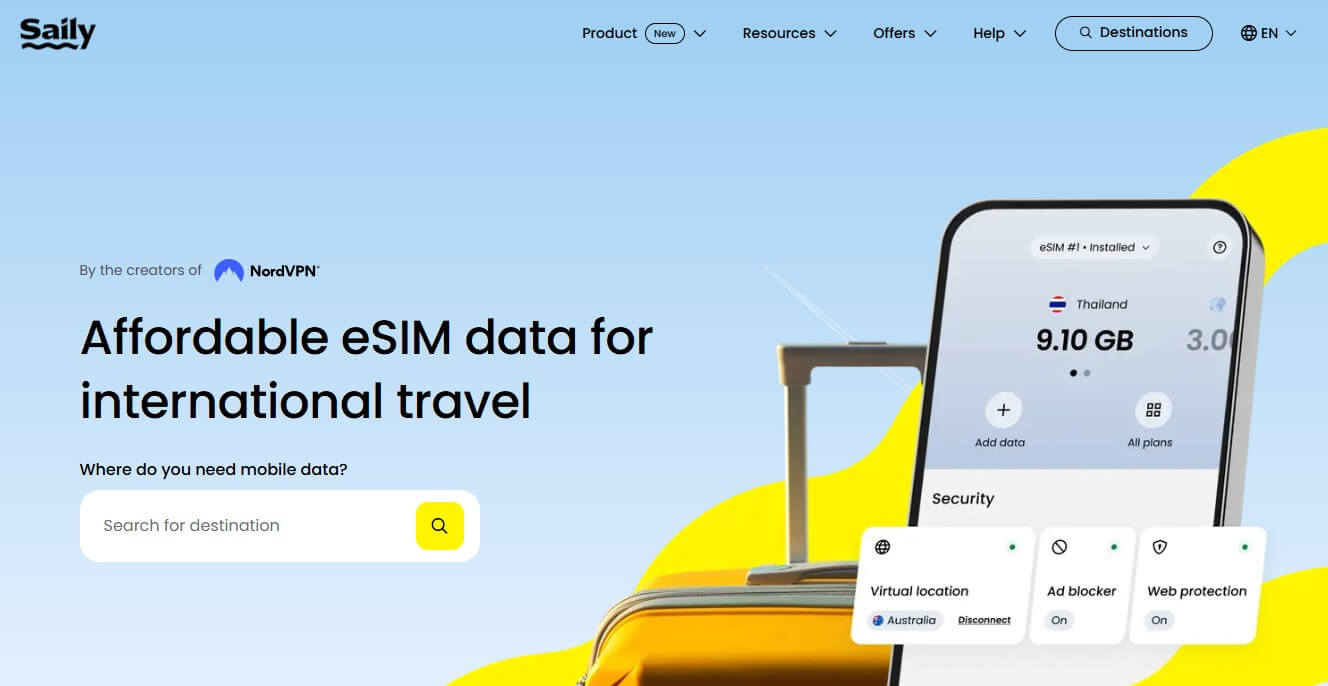
Short-term mobile data via a prepaid eSIM primarily benefits travelers and temporary visitors. A tourist on a two-week trip gains immediate connectivity without committing to a local contract. Business professionals attending a conference require instant data access for maps and communication, avoiding roaming fees. Event attendees, such as those at a festival, benefit from a few days of coverage without wasted credit. Students on a short-term exchange also avoid unmet credit minimums. For these users, paying only for active usage is the core advantage. The sequence is straightforward:
- Identify the exact trip duration.
- Select a prepaid eSIM plan matching those days.
- Activate upon arrival for immediate data that automatically expires.
Top Reasons to Switch to a Preloaded Profile
Switching to a preloaded profile for your prepaid eSIM eliminates activation delays, letting you connect the instant you install it. No more fumbling with top-ups or plan selections abroad—everything is bundled and ready. A single QR code or download gives you immediate data, while avoiding the risk of losing connectivity mid-trip. Ever wonder, “What if I run out of data mid-travel?” Preloaded profiles often include rollover balances or flexible add-ons, so you’re never stranded. You skip airport kiosk queues and carrier app setups, making it the fastest path to a working local network without a physical SIM swap.
No Physical Card, No Hassle at Airports
Arriving at a new airport means zero time wasted hunting for a local SIM vendor with a physical card. Your prepaid eSIM activates instantly before you even leave home, so the moment your plane lands, you are connected. There is no fussing with a tiny nano-SIM tray while juggling luggage, no risk of losing the card, and no queue at a kiosk. This direct, digital approach completely eliminates the traditional airport hassle, turning what was a stressful chore into a seamless transition from flight to mobile service.
Budget-Friendly Data for Global Roaming
Roaming charges vanish when you switch to a preloaded eSIM profile, giving you direct access to budget-friendly international data plans. You pay a flat rate for a set data allowance, avoiding surprise bills entirely. This lets you grab a 1GB or 5GB pack for a specific region at a fraction of local carrier roaming costs.
- Skip expensive daily roaming passes by buying only the data you need.
- Compare and switch between cheap regional plans for each trip.
- Pay once with no hidden fees or long-term commitments.
Instant Activation for Last-Minute Trips
The primary advantage of a preloaded eSIM profile is the elimination of setup friction for last-minute trips. Instead of hunting for local SIMs or navigating complex online purchases while rushing to a flight, you scan a QR code or install a profile beforehand, enabling instant eSIM activation upon landing. This sidesteps airport Wi-Fi bottlenecks and regional store hours, directly connecting your device to a local network as soon as you switch off airplane mode. The process reduces logistical delays to a single toggle, making it the most efficient method for seamless connectivity when time is the critical constraint.
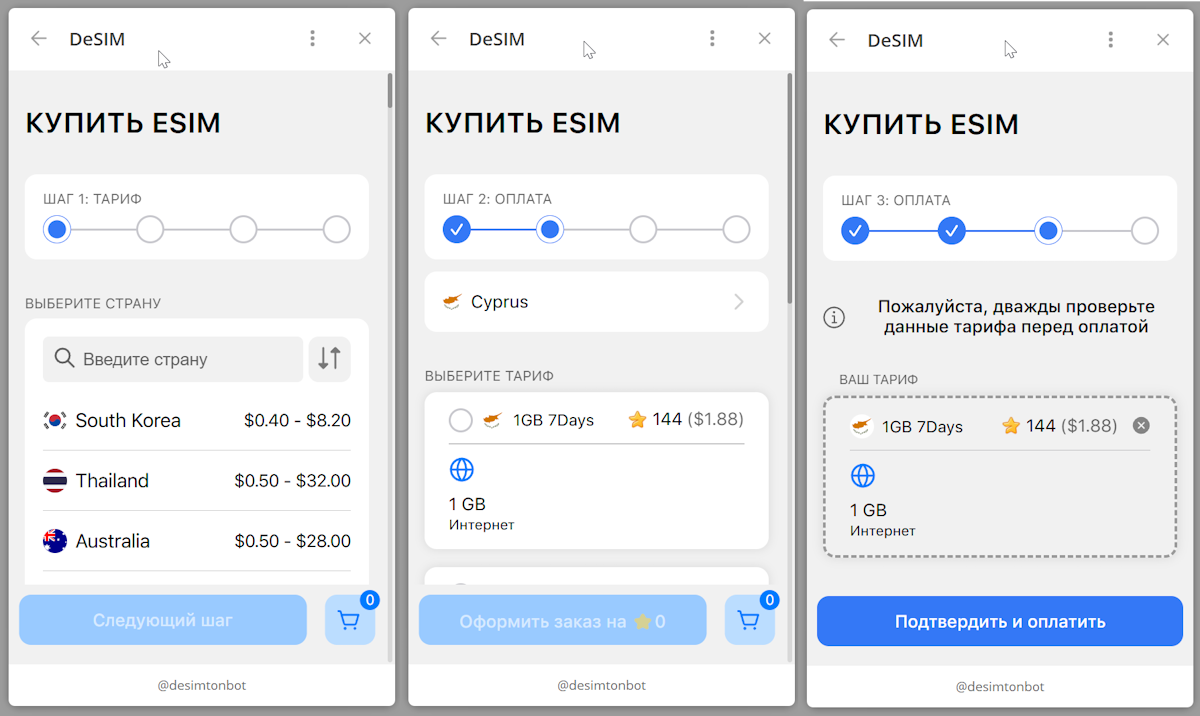
Instant activation for last-minute trips removes pre-departure logistics and connection delays, providing immediate network access at your destination.
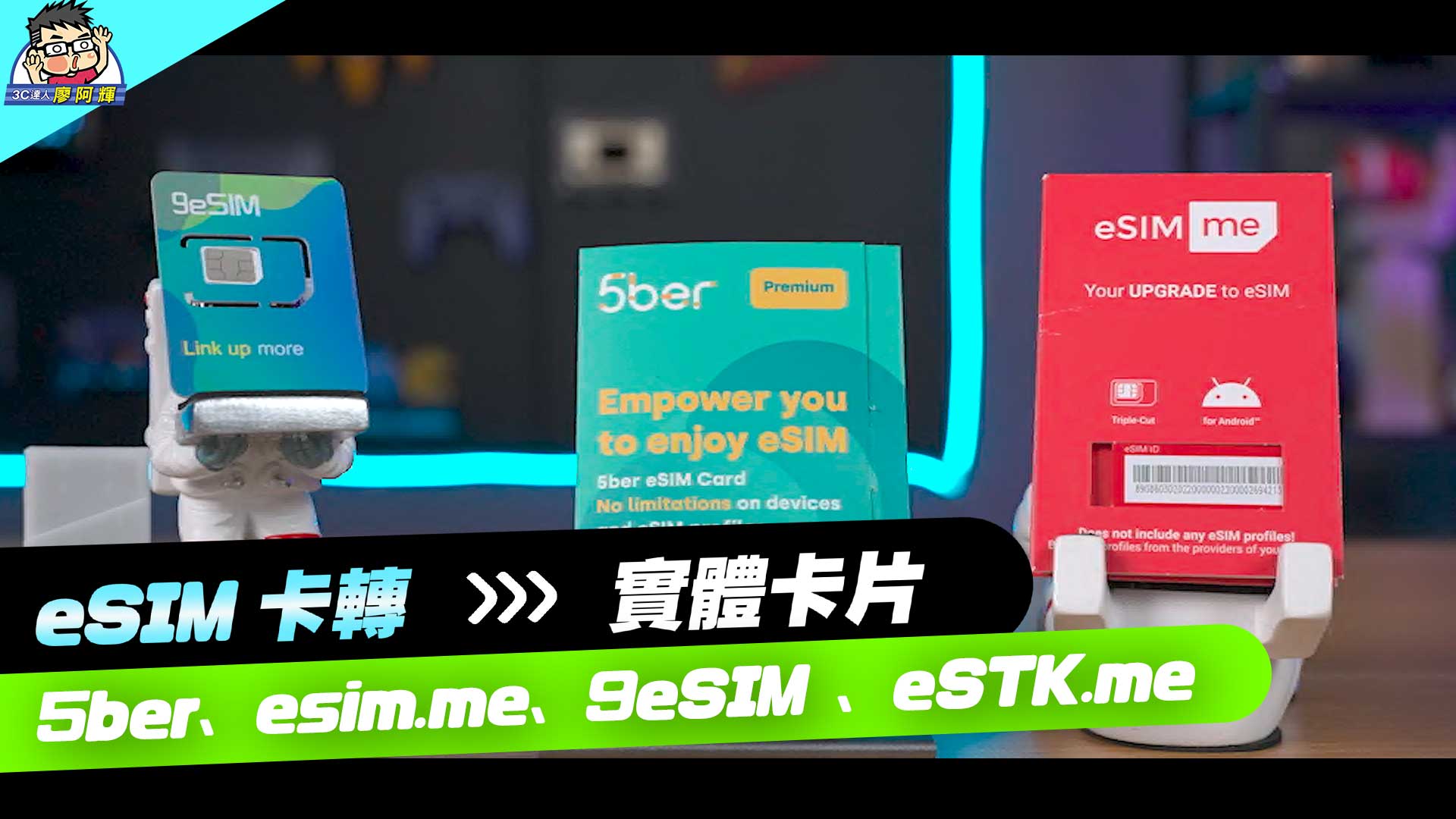
Selecting the Ideal Network Solution
When selecting the ideal network solution for a prepaid eSIM, focus on coverage maps and data speeds where you’ll actually use the phone, not just flashy promises. Prioritize providers that allow easy plan switching if signal drops, and check if tethering is included. A short inline Q&A: Q: How do I know if a prepaid eSIM network is right for me? A: Look for a free trial or a low-cost starter plan to test real-world performance in your area before committing to a larger data pack. Always confirm that the eSIM activates within minutes, not hours, and offers straightforward top-up options via an app.
Factors to Weigh Before Buying a Data Package
When buying a prepaid eSIM Singapore eSIM data package, first weigh your expected data consumption against the plan’s cap to avoid throttling or overage fees. Check the package’s validity period to ensure it covers your entire trip, and confirm it includes roaming on the specific networks you’ll need. Evaluate whether a high-speed allowance or a limited, slower plan better matches your usage (e.g., streaming vs. messaging). Consider whether a multi-country bundle offers better value than single-destination add-ons if you cross borders. Compare price per GB across competing eSIM providers, not just upfront cost, to find the most economical fit for your actual needs.
Prioritize data allowance, validity, network coverage, speed tier, and cost-per-GB when comparing prepaid eSIM data packages.
Comparing Coverage Across Regional Providers
When selecting a prepaid eSIM, regional coverage maps must be scrutinized per provider, as a single operator’s network may be robust in urban hubs but patchy in rural transit corridors. Compare infrastructure-sharing agreements—some providers rely on a single host network, while others aggregate multiple local carriers for broader redundancy. A provider advertising “national coverage” may still leave dead zones along border regions or islands. Prioritize carriers that publish real-time signal heatmaps rather than generic claims, and verify roaming partnerships for cross-border continuity. Avoid assuming a higher price guarantees broader coverage; instead, cross-reference independent user reports against official maps.
Effective coverage comparison for prepaid eSIMs demands evaluating host-network aggregation, signal heatmaps, and roaming partnerships, not just advertised footprint size.
Speed vs. Price: Finding the Balance
When choosing a prepaid eSIM, striking the speed-price balance means matching your data appetite to your actual needs. For quick map checks or messaging, a budget plan with capped 4G speeds saves money without frustration. Conversely, if you stream video or join video calls on the go, paying extra for full-speed 5G access prevents buffering delays. The sweet spot lies in identifying your peak usage moments; many providers now let you top up speed for a single day, letting you pay for turbocharged performance only when you truly need it. This prevents overpaying for unused bandwidth while keeping your connection responsive where it matters most.

Step-by-Step Setup Process
Setting up a prepaid eSIM begins with purchasing a compatible plan from a provider’s website or app. You’ll receive a QR code or confirmation email; open your phone’s Settings, navigate to Cellular or Mobile Data, and select “Add eSIM.” Scan the QR code or manually enter the activation details—your device will guide each prompt. After installation, name the line (e.g., “Travel Data”) and set it as your primary data line while keeping your physical SIM active for calls. Activate the plan only when you arrive at your destination to avoid burning days before use. The entire process takes under five minutes with a stable Wi-Fi connection. Double-check that your phone is carrier-unlocked before purchasing, as this step is non-negotiable for success.
Checking Device Compatibility for Digital SIMs
Before purchasing a prepaid eSIM, you must confirm your device supports digital SIM compatibility. Start by checking your phone’s settings for an “Add eSIM” or “Cellular Plans” option. Alternatively, verify your model on the carrier’s compatibility list or by dialing a short code like *#06# to locate your IMEI. Ensure the device is carrier-unlocked to avoid activation failures.
- Check your phone’s settings for an “Add eSIM” menu.
- Dial *#06# to confirm your device’s eSIM readiness.
- Visit the carrier’s website and input your IMEI number for validation.
- Confirm your smartphone model is not network-locked to another carrier.
Scanning a QR Code to Go Live
After purchasing your prepaid eSIM, locate the activation email containing your unique QR code. Within your phone’s settings, navigate to the cellular or mobile network menu and select “Add eSIM.” Scanning your QR code to go live immediately triggers the remote provisioning process, which downloads the eSIM profile directly to your device. Follow this sequence:
- Open your device’s camera or dedicated eSIM scanner.
- Align the QR code within the viewfinder until it is recognized.
- Confirm the installation prompt, then wait for the profile to activate.
Do not close the scanning interface until the profile successfully installs. Once complete, your prepaid eSIM is active and ready for service.
Managing Multiple Profiles on One Phone
After installing your first prepaid eSIM, you can add more by scanning additional QR codes in your phone’s cellular settings. Managing multiple profiles on one phone requires naming each line (e.g., “Work” or “Travel”) to avoid confusion. You can toggle data usage between profiles or set one as the default for calls and texts. Switching a line off does not delete it, preserving the profile for later use.
- Label each eSIM profile with a descriptive name in settings.
- Select one profile as the primary data line to control costs.
- Disable unused profiles temporarily to prevent accidental roaming charges.
- Reorder profiles so the most active line appears first in selection menus.
Cost-Saving Strategies for Frequent Travelers
For frequent travelers, prepaid eSIMs eliminate roaming fees by locking in local rates for data without juggling physical SIM cards. Purchase multi-country regional plans before departure to avoid currency conversion markups and airport kiosk surcharges. Maximize value by choosing plans with ample data for maps and rideshares, then using in-flight Wi-Fi for heavy downloads. Stacking smaller, country-specific eSIMs often undercuts a single global plan when your itinerary is truly unpredictable. This strategy keeps your connection active while slashing daily connectivity costs to pennies versus standard carrier passes.
Bundling Data with Voice Credits
When you pick a prepaid eSIM, look for bundles that mix data with voice credits—this avoids paying separately for each. A single package often gives you affordable international calls alongside your data allowance, so you don’t drain your balance on per-minute rates. Most plans let you use voice credits for local or international calls, but check if inbound calls also consume them. This bundling works best if you make just a few short calls per trip; heavy talkers might need a top-up add-on. Always preview the voice-to-data ratio in the plan details before buying.
Exploring Regional Versus Global Plans
When exploring regional versus global plans for prepaid eSIMs, travelers should first map their itinerary to avoid overpaying for unnecessary coverage. A regional plan, covering a continent like Europe or Asia, often offers lower rates for multi-country trips within one area. Conversely, global prepaid eSIM plans provide blanket access across continents, ideal for intercontinental layovers or unpredictable route changes. However, a global bundle may include countries you never visit, making a targeted regional option more cost-effective for focused travel. Always compare the specific nations in a regional package against your actual destinations, as some “global” plans still exclude certain territories.
Timing Your Purchase for Maximum Value
For maximum value, purchase your prepaid eSIM at least 48 hours before departure, as many providers offer early-bird discounts. Avoid buying at the airport, where prices spike for immediate activation. Instead, monitor flash sales during off-peak travel seasons, like mid-week or post-holiday windows, for strategic prepaid eSIM timing. Match your purchase to your trip’s midpoint if plans change, ensuring you don’t overshoot data validity. Set a calendar alert for 30-day plan renewal windows to lock in longer-duration rates without penalty.
Purchase 48 hours early, avoid airport markups, and align with off-peak sales for best value.
Common Pitfalls and How to Avoid Them
A major pitfall with prepaid eSIM activation is failing to install it while you still have Wi-Fi or cellular data, leaving you stranded without a connection abroad. Avoid this by downloading your eSIM profile before departure. Another common mistake is assuming your phone is carrier-unlocked; a locked device will reject the eSIM entirely, so verify your phone’s unlock status beforehand. Many users also run out of data quicker than expected, so prioritize plans that offer easy, in-app top-ups to avoid prepaid eSIM data exhaustion mid-trip. Finally, don’t delete the eSIM before your trip ends—you’ll lose any remaining balance. Instead, keep the profile installed until you’re certain you won’t need it.
Overlooking Data Expiration Dates
Many travelers grab a prepaid eSIM only to find their data vanished before their trip ends, a classic case of overlooking data expiration dates. Unlike monthly plans, prepaid eSIMs often activate on first connection and expire after a fixed number of days, not hours of use. You must check the validity period at purchase. A 10GB plan expiring in 7 days offers no refund if you use 1GB and forget to connect until day 8. Track your start date to avoid losing unused megabytes.
- Double-check the activation window: some eSIMs expire even if you never connect.
- Set a phone reminder for the expiration day to switch or top up in time.
- Choose plans with longer validity if your travel schedule is flexible.
Ignoring Network Band Restrictions
A critical oversight with prepaid eSIMs is ignoring network band restrictions, which directly throttles your device’s performance. Even a compatible eSIM will fail if your phone lacks the specific local frequency bands the carrier uses in that region. This mismatch causes weak signals or complete dead zones. Always verify your device’s band specifications against the eSIM provider’s network requirements before purchasing. Pay special attention to LTE band gaps in rural areas, as missing a single crucial band can render data unusable. Selecting a plan that explicitly supports your phone’s bands ensures you actually get the coverage you paid for.
Troubleshooting Activation Errors
Resolving prepaid eSIM activation errors often begins with verifying your device’s carrier unlock status and scanning the QR code in a stable Wi-Fi zone. If the profile fails to install, manually entering the SM‑DP+ address from your provider’s email can bypass corrupt scans. A reboot after deleting a failed eSIM, not before, clears the system cache without losing your plan details.
Q: Why does my eSIM show “No Service” after activation?
A: This usually means your phone’s network settings need a manual refresh—toggle Airplane Mode for 30 seconds, then re-select your carrier from the cellular menu. If the error persists, confirm the eSIM is assigned to the correct line slot in your settings.
Future Trends in Portable Connectivity
The traveler no longer swaps plastic SIMs in bustling terminals; instead, a future trend sees prepaid eSIMs acting as seamless, self-configuring bridges. As you land in a new country, your device silently scans for optimal local networks, automatically purchasing and activating a short-term data plan from a global catalog. This portable connectivity evolves into a subscription sink—you pay only for the hours or gigabytes you use, and the eSIM profile becomes a dynamic key, adjusting speeds for video calls or switching to a cheaper local carrier mid-journey. What happens when you cross a border for just a day? The prepaid eSIM splits your session into micro-charges, pausing your main plan and activating a 24-hour pass from the new zone, then reverts precisely when you leave, ensuring you never overpay.
Evolving Carrier Partnerships for Better Rates
As prepaid eSIM adoption grows, carrier partnerships are evolving away from static wholesale agreements toward dynamic, real-time rate negotiation. This shift allows eSIM aggregators to purchase data capacity in smaller batches, securing competitive prepaid eSIM rates by leveraging underutilized network slices during off-peak periods. Users benefit directly because these flexible supply contracts let providers automatically switch a traveler’s connection to a partner carrier offering lower per-gigabyte cost in that exact location at that moment. The practical result is consistently reduced roaming fees without manual plan comparisons, as the partnership’s algorithmic pricing engine optimizes the rate for each session.
Integration with IoT and Wearable Devices
Prepaid eSIMs simplify wearable and IoT connectivity by allowing a single data plan to simultaneously manage a smartwatch, fitness band, or sensor array without a physical SIM slot. Users activate a prepaid eSIM on the wearable’s embedded chip, enabling standalone streaming, GPS tracking, or biometric monitoring even when the paired smartphone is offline. For field-deployed IoT devices like asset trackers or medical patches, prepaid eSIMs facilitate instant remote provisioning and carrier switching via a single QR scan, eliminating hardware swaps. A smartwatch and a connected scale can share a single prepaid eSIM’s data pool, while the smartphone manages controls through one dashboard.
Environmental Impact of Removing Plastic Cards
The environmental impact of removing plastic cards via prepaid eSIM centers on eliminating the physical production and disposal of PVC-based SIMs. Each plastic card requires petroleum extraction, manufacturing energy, and chemical treatment, while discarded cards contribute to non-biodegradable landfill waste. eSIM adoption directly reduces plastic card waste by removing the need for a physical substrate entirely. This shift also avoids the carbon footprint of packaging and shipping millions of miniature plastic components.
- Eliminates PVC manufacturing and associated chemical byproducts.
- Prevents plastic SIM cards from entering landfills or ocean microplastics.
- Reduces fuel consumption from logistics for physical card distribution.
- Removes the need for disposable plastic carriers and activation sleeves.